

ORAL HEALTH. WHAT NOBODY TOLD YOU
Why Your Child's Bad Breath Keeps Coming Back, Even After Brushing
Your child can brush, floss, and rinse every day and still have persistent bad breath.
That's because in many cases, the problem isn't poor hygiene at all. It's tiny deposits of trapped debris hidden inside their tonsils where no toothbrush can reach.

This article explains what tonsil stones are, how to recognize them, the best ways to remove them, and why more parents are choosing specialized tonsil stone removers for at-home care.
Or keep reading:

Why brushing isn't enough
Brushing is effective at removing food and bacteria from your teeth before they have a chance to build up, but bacteria also live in other places, such as:
- the tongue,
- around the gums,
- and at the back of the throat where the tonsils are located.

What Are Tonsil Stones?
Tonsils have small pits on their surface called tonsil crypts. These tiny pockets can trap food particles, bacteria, and dead cells, which over time harden into small white or yellow deposits called tonsil stones. The trapped bacteria release sulfur gases that often cause an unpleasant smell, similar to rotten eggs.
That is why there is a strong link between tonsil stones and persistent bad breath.

Signs of Tonsil Stones in Children
While tonsil stones are more common in teenagers, younger children can develop them too. Here are some of the symptoms children with this condition can experience:
- Persistent bad breath that returns soon after brushing
- Breath that smells worse in the morning
- A feeling that something is stuck at the back of their throat
- Frequent throat clearing or coughing
- A sour, metallic, or unpleasant taste
- Mild discomfort on one side of the throat
- Slight difficulty swallowing
- Small white or yellow specks on the tonsils, especially after coughing
- Occasional ear pain
If any of these signs sound familiar, the next step is to check your child's tonsils for visible stones.

How to Check for Tonsil Stones
Have them open their mouth wide under a bright light and look at their tonsils on either side of the throat. Some tonsil stones appear as small, white or yellow specks on the surface of the tonsils, while others remain hidden deep inside the tonsil crypts. These deeper stones can be difficult to spot without a tool that provides a clear view of the area and that’s why parents often don't notice them.
How Parents First Discovered Tonsil Stones

Removing The Stones at Home
Once parents understand that tonsil stones are causing their child's breath to smell bad, the immediate question that comes to mind is: “How do I safely remove them?”
Most start with simple, DIY methods, but these often create more problems. Unspecialized tools have limitations that can make the process frustrating for both you and your child.
In recent years, specialized tonsil stone removers have been developed to make the process easier, safer, and more precise.
Ready to see what's the safest, fastest solution to your child's bad breath?

Limitations of Unspecialized Removal Methods
Most common solutions only mask the symptoms or work blindly. Mouthwash and tongue scrapers can't reach hidden tonsil stones, while Q-tips and water flossers may trigger the gag reflex or irritate the sensitive tissue of the tonsils.
The biggest challenge with these methods is visibility. Because you are working without a clear view, a cotton swab’s blunt shape can actually push the debris deeper into the tissue.
If you cannot see the problem, you cannot remove it with confidence, and even when a stone is removed, it's often incomplete. Fragments can remain inside the crypt, allowing bacteria to continue multiplying.
Safe, complete removal requires two things that most common methods cannot offer: a clear view into the child’s throat and a gentle tool built specifically for tonsil tissue.

When Is Surgery Recommended?
When at-home solutions fail, most parents start to consider surgery as the next step.
While a tonsillectomy (the surgical removal of the tonsils) will permanently eliminate tonsil stones, it is an invasive surgical procedure that requires placing your child under general anesthesia.
That’s why ENT specialists generally reserve surgery for children with more severe medical problems, such as sleep apnea or recurrent throat infections.
There is also the post-surgery period to be aware of. Full recovery after a tonsillectomy can be painful and often takes several weeks. Because of this, doctors usually recommend more conservative treatments first.

The Safer Alternative: Tonsil Stone Removers
Tonsil stone removers are specialized medical devices designed to extract trapped debris directly from the tonsil crypts. They adapt the clinical principles used by ENTs for safe at-home use.
Despite being available for several years, most parents remain unaware that such tools exist because persistent bad breath is still only treated as an oral hygiene issue.
To actually be considered a safe and effective option for home use, a device must meet three strict criteria:
- Provide a clear view of the hidden tonsil crypts
- Be able to extract stones gently while protecting the sensitive tissue
- Fit comfortably at the back of a child's throat to minimize the gag reflex

Finding The Right One
This is how Oralis TonsilVision™ was born, engineered specifically to pass these standards:
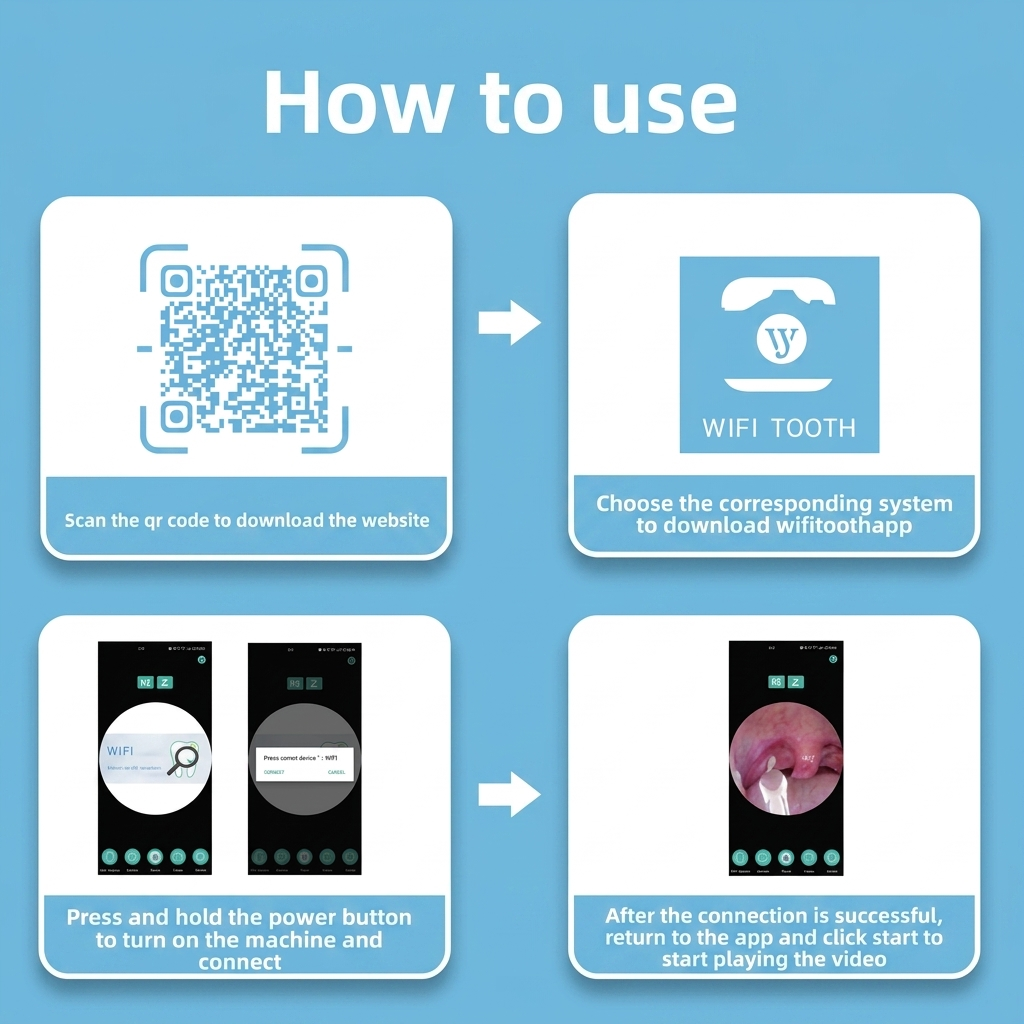
- It combines a small camera and a gentle suction tip, making the process simple for the parent and painless for the child
- The camera connects to a smartphone screen, which eliminates blind poking and stops the parent from guessing
- It allows parents to look directly into the tonsil pockets to locate even the most hidden stones
- The suction mechanism gently removes debris, protecting sensitive tissue from bleeding and ensuring the stone comes out in one piece.
Oralis TonsilVision™ Tonsil Stone Remover


Fresh Breath in under 5 minutes with TonsilVision™
Fresh Breath in under 5 minutes with TonsilVision™


Parents' Experience With TonsilVision™

Why Visibility Changes Everything
The camera gives you a clear view of your child's tonsils, allowing you to see exactly where the stones are, and giving you complete control over the removal process.
Instead of the uncertainty that often comes with DIY methods, you can remove the stones with confidence.

What Parents Notice First
You no longer have to keep checking their breath throughout the day, wondering if the smell will return after they brush, or using a mouthwash that only masks the odor.
For many parents, that's the biggest difference.
It's not just about removing the stones. It's about knowing you've removed the real cause of your child's bad breath.

Everything You Need to Remove Tonsil Stones Safely at Home
✔ Oralis TonsilVision™
✔ HD Camera
✔ Gentle Suction Tips
✔ Smartphone Connectivity
✔ Step-by-Step Instructions
✔ 30-Day Money-Back Guarantee
Questions Parents Often Ask
Will removing the stones hurt?
Will removing the stones hurt?
Tonsil stone removers are designed to minimize discomfort by allowing more controlled, precise removal than improvised methods. Used gently and according to the instructions, they're generally a more comfortable option.
Can children use it?
Can children use it?
Older children may be able to use the device with parental supervision, but younger children should not use it independently. A parent should always supervise the process and follow the provided instructions to ensure safe use.
What if I don't see the stones?
What if I don't see the stones?
Many tonsil stones are hidden from plain view, making them difficult to spot without a closer look. A camera-guided remover provides a clear view of the tonsils, helping you check for visible stones more confidently. If no stones are visible and the symptoms continue, seek advice from a healthcare professional.
Does this replace brushing?
Does this replace brushing?
No. Brushing and flossing remain essential. A tonsil stone remover handles an entirely different area. The two work together, not as substitutes.
What if I'm still not sure my child has tonsil stones?
What if I'm still not sure my child has tonsil stones?
Bad breath can have several other causes, including cavities, gum disease, sinus issues, dry mouth, or digestive conditions. Tonsil stones are simply one of the more commonly overlooked causes. If you don't see visible stones or if your child has persistent symptoms without an obvious explanation, it's always best to consult a dentist or healthcare professional for a proper evaluation.
Why didn't my dentist mention tonsil stones?
Why didn't my dentist mention tonsil stones?
Dentists primarily examine the teeth and gums. While many are familiar with tonsil stones, they may not be visible during a routine examination, especially if they're small or hidden deep inside the tonsil crypts. If you suspect tonsil stones, ask your dentist or healthcare provider to specifically evaluate the tonsils as well.
Can this wait?
Can this wait?
Tonsil stones aren't usually a medical emergency. But the longer the underlying cause of the odor remains unaddressed, the longer your child may continue dealing with persistent bad breath, discomfort, or unnecessary embarrassment. Many parents prefer to address the problem early rather than let it become an ongoing source of frustration.